
Prepare for Your CVRT Test
Everything you need to know before attending your appointment, from documentation to vehicle preparation, to ensure a smooth and efficient test.
Why Preparation Matters
The Commercial Vehicle Roadworthiness Test (CVRT) is a mandatory annual inspection required by law for most commercial vehicles in Ireland. Preparing correctly for your test helps avoid delays, reduces the chance of failure, and ensures your vehicle is assessed properly under RSA standards.
Test Day Essentials
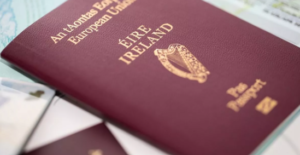
You must bring valid photo ID for the person presenting the vehicle, such as:
- A current driver’s licence
- A valid passport
If you do not bring this, the test can proceed but no Certificate of Roadworthiness (CRW) will be issued until ID is provided.
In most cases you do not need to bring the VLC/logbook to the test itself. The key requirement is the presenter’s ID and compliance of the vehicle.
Payment is normally taken before the test begins — check the test centre’s preferred methods. Fees are set by the RSA and are standard across all centres.
Vehicle Preparation Checklist
Proper presentation of your vehicle can significantly reduce simple failures. Before you arrive:
Vehicle Cleanliness
Keep your vehicle reasonably clean, including undercarriage areas, so inspections are not obstructed.
Accessibility
Ensure all key areas (brakes, suspension, lights, tyres, chassis) are easy to inspect; remove cargo if needed.
Lights & Indicators
Check all external lights — headlights, indicators, brake lights, fog and reversing lights — are working correctly.
Tyres
Ensure tyres meet legal tread depth and pressure requirements and are free from damage.
Fluids & Engine
Check essential fluids like oil, coolant, and washer fluid before your test.
Safety Equipment
Have required safety items on board: seat belts, warning triangles, high-visibility gear (if applicable).
Arrival & Conduct on Test Day
- Arrive at least 10 minutes early to allow time for check‑in.
- Have all paperwork and ID ready.
- Follow instructions from test centre staff.
- Keeping the vehicle tidy and organised speeds up the process and improves inspection efficiency.
What Happens After the Test
- If your vehicle passes, you will receive a Pass Statement and the RSA will issue your Certificate of Roadworthiness (CRW) by post shortly afterwards.
- If your vehicle fails, you will be given a detailed report of defects and allowed a period (typically 21 days or up to 4,000 km, whichever comes first) to correct those issues and book a re‑test.